


Table of Contents
Getting a dental implant is not just about replacing a missing tooth. It is also about how your body responds beneath the surface. In the months after an implant, the jawbone goes through a healing process that helps create a stable, long-term foundation for your smile. Understanding what happens during this phase can help you feel more confident about the process, especially as you learn how solutions like implants are designed to support both function and bone health over time.
Key Takeaways
- The jawbone begins integrating with the implant shortly after placement.
- Bone healing is essential for long-term implant stability.
- Proper care supports successful integration and prevents complications.
- The process happens gradually over several months.
- Healthy bone structure helps maintain facial shape and function.
What Happens Immediately After Implant Placement
Right after the implant is placed, the surrounding bone begins its natural healing response. The body recognizes the implant as a stable structure and starts to form new bone around it. This early stage is important because it sets the foundation for long-term success.
During this time, it is normal to experience mild swelling or discomfort as the area heals. Beneath the surface, the bone is already beginning to adapt to the implant. This process is not visible, but it plays a critical role in ensuring the implant becomes secure over time.
The Process of Bone Integration
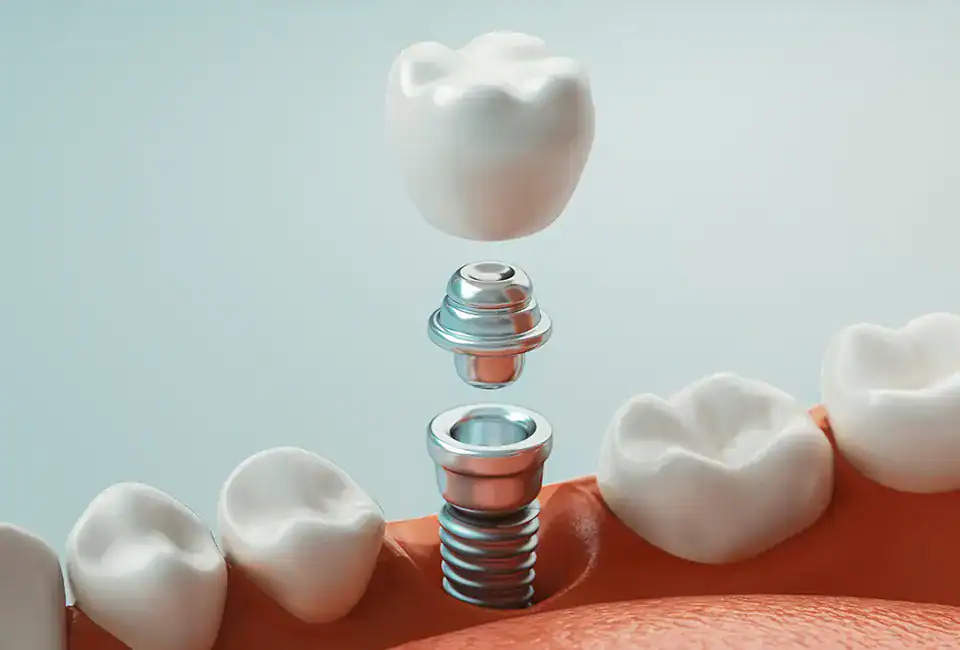
One of the most important phases after an implant is osseointegration, where the bone gradually fuses with the implant surface. This process creates a strong connection that allows the implant to function like a natural tooth root. It typically takes several months for this integration to fully develop.
As the bone grows and attaches to the implant, stability increases. This is why the healing phase cannot be rushed. Giving the bone time to fully integrate helps ensure that the final restoration will be durable and long-lasting.
How Bone Density Changes Over Time
The jawbone is constantly remodeling, meaning it breaks down and rebuilds itself in response to use. After an implant is placed, the bone begins to adapt to the new structure. Instead of shrinking, as it might after tooth loss, the bone is stimulated and maintained.
This stimulation helps preserve bone density in the area. Over time, the presence of the implant can support a healthier bone structure compared to leaving a gap untreated. Maintaining bone density is important for both function and facial appearance.
What Can Influence Healing After an Implant
Several factors can affect how well the bone heals and integrates with the implant. While the process is natural, certain habits and conditions can either support or slow down healing. Important factors include:
- Maintaining good oral hygiene during recovery
- Avoiding smoking or tobacco use
- Following post-procedure care instructions
- Attending follow-up visits to monitor progress
These factors help create the best environment for successful bone integration.
Why Stability Improves Over the First Few Months
In the early weeks, the implant relies on its initial placement for support. As healing progresses, the bone begins to take over this role. Over the next few months, the connection between the implant and bone becomes stronger and more stable.
This gradual increase in stability is what allows the implant to eventually support normal chewing forces. By the time the final restoration is placed, the implant is typically well-integrated and ready to function like a natural tooth.
How Implants Help Prevent Bone Loss
One of the key benefits after an implant is its ability to help prevent bone loss. When a tooth is missing, the jawbone in that area may begin to shrink due to lack of stimulation. Implants provide the stimulation needed to maintain bone structure.
This helps preserve the shape of the jaw and supports the surrounding teeth. Over time, maintaining bone health can also contribute to a more balanced facial appearance and improved long-term oral stability.
Signs Your Implant Is Healing Properly
While much of the healing process happens beneath the surface, some signs indicate things are progressing as expected. Monitoring these signs can provide reassurance during recovery. Common indicators include a gradual reduction in swelling and discomfort, no persistent pain or unusual sensitivity, a stable feeling in the implant area over time, and healthy gum tissue around the implant site. If anything feels unusual, it is always best to have it evaluated to ensure proper healing.
Frequently Asked Questions
How long does bone healing take after an implant?
Bone integration typically takes several months, depending on individual factors.
Can the implant fail to integrate with the bone?
While uncommon, certain factors can affect healing, which is why follow-up care is important.
Will I feel the bone healing process?
No. Most of the process happens beneath the surface without noticeable sensations.
Can bone still change after healing is complete?
Yes. The bone continues to remodel over time, but the implant helps maintain its structure.
Is it normal to feel slight discomfort during healing?
Mild discomfort is common early on, but it should improve as healing progresses.
Healing After an Implant Supports Long-Term Stability
The months after an implant are essential for building a strong, stable foundation within the jaw. While much of the process happens quietly beneath the surface, the changes taking place are what allow the implant to function like a natural tooth. Proper healing supports not only the implant itself but also the surrounding bone and overall oral health.
If you want to learn more about dental implants, visit our Dental Implants in Agoura Hills page or schedule a consultation.